There are certain words that carry weight.
They are not meant to be thrown around casually, nor used as shorthand for frustration or misunderstanding. They exist to describe real harm, real exploitation, and very real victims.
Which is why, lately, I’ve found myself deeply unsettled by a trend I’m seeing more and more online: wedding vendors being labeled as “predators.”
Let me be very clear: disagreement over pricing, confusion about cost, or even a negative experience does not make someone a predator.
It makes them human. It makes them a business owner. It makes them part of an industry that, like any other, includes a wide range of talent, experience, and professionalism.
But it does not make them predatory.
A predator is someone who exploits others in deeply harmful and intentional ways. That word exists to describe serious wrongdoing, and when we begin applying it to situations that simply do not meet that threshold, we dilute its meaning in a way that is both careless and, frankly, disrespectful to those who have experienced real harm.
And yet, here we are, watching it be used to describe wedding vendors.
An industry built around one of the most meaningful, emotional, and important days in a person’s life.
An industry where, more often than not, the people behind the scenes are doing far more than what is outlined in a contract.
People Magazine Interviews Danielle Rothweiler: How To Elevate Your Wedding Day
Over the past several weeks, I’ve had conversations with countless vendors. I asked them one simple question: tell me about a time you went above and beyond for your clients.
The responses were not small.
They were not transactional.
They were, in many cases, extraordinary. In fact, you can see a handful (there were too many to include) on my TikTok page right here.
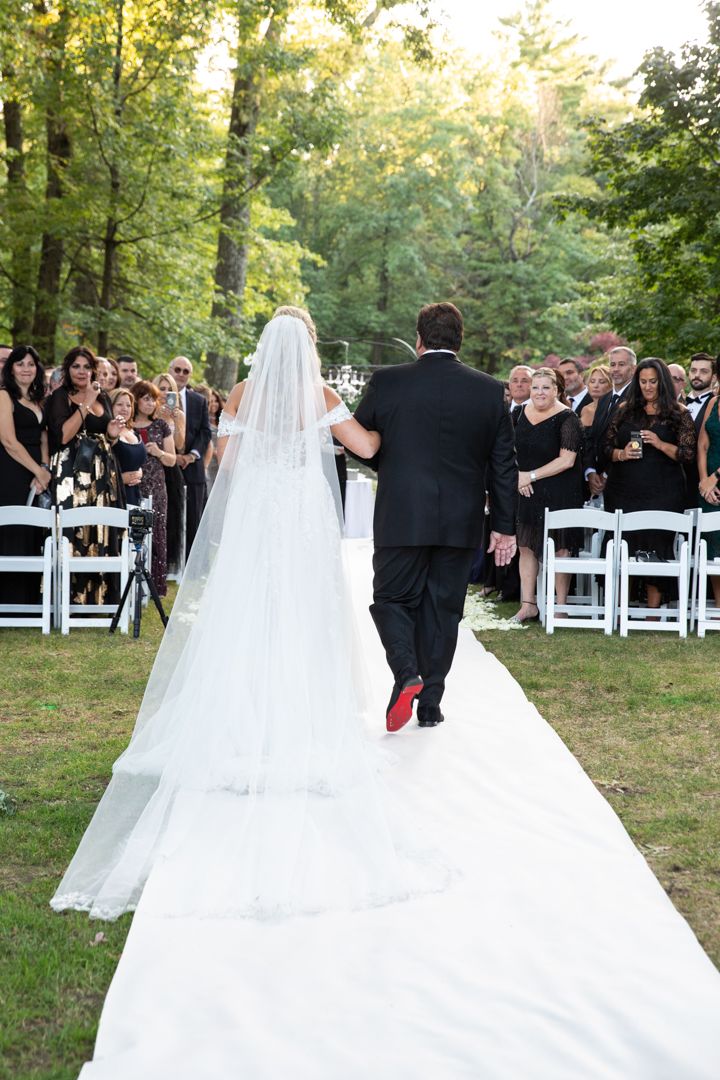
There is often a disconnect when it comes to understanding wedding planning costs and the true scope of professional wedding vendors. From logistics and design to coordination and execution, what may appear straightforward on the surface is, in reality, a highly detailed and labor-intensive process.
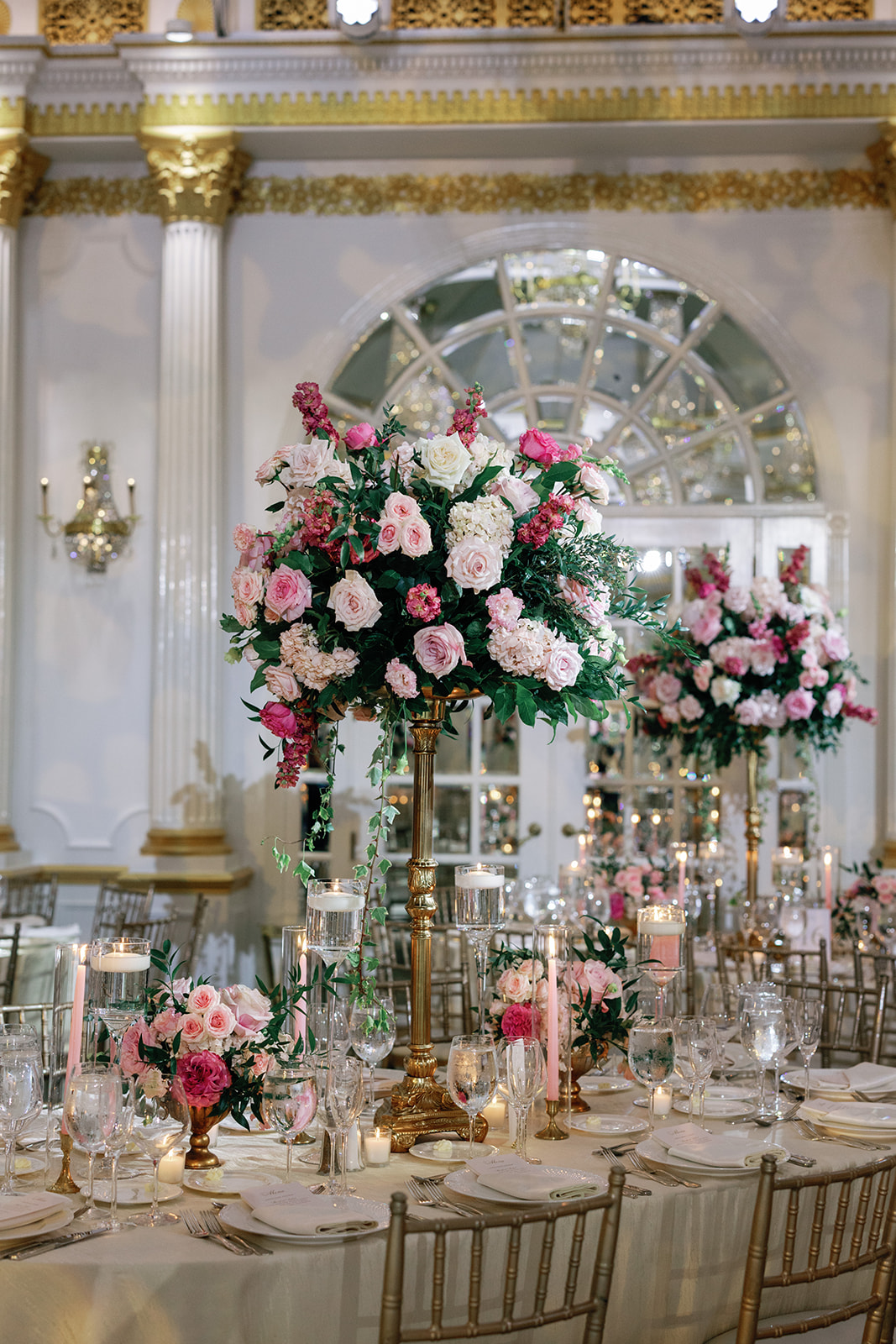
Photographers staying hours past their contracted time because transportation fell apart and they refused to leave a couple without coverage.
Planners quietly handling family conflict so that a bride could remain fully present on her wedding day, never knowing the stress that had been intercepted on her behalf.
Designers rebuilding installations in real time when weather didn’t cooperate.
Teams absorbing additional costs, stepping into roles that were never theirs, and solving problems before they ever reached the couple.
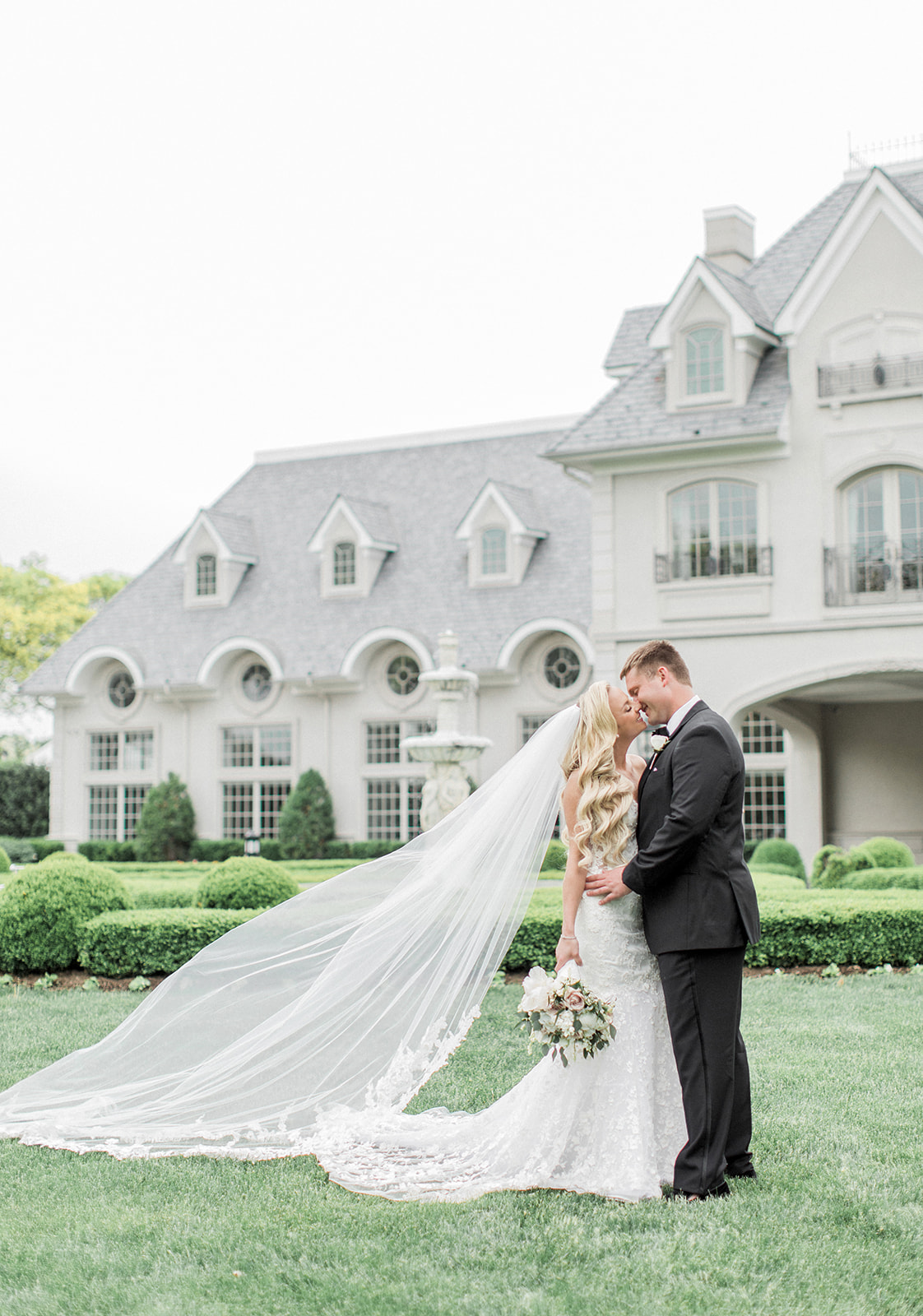
Not for recognition.
Not for applause.
But because they understood what was at stake.
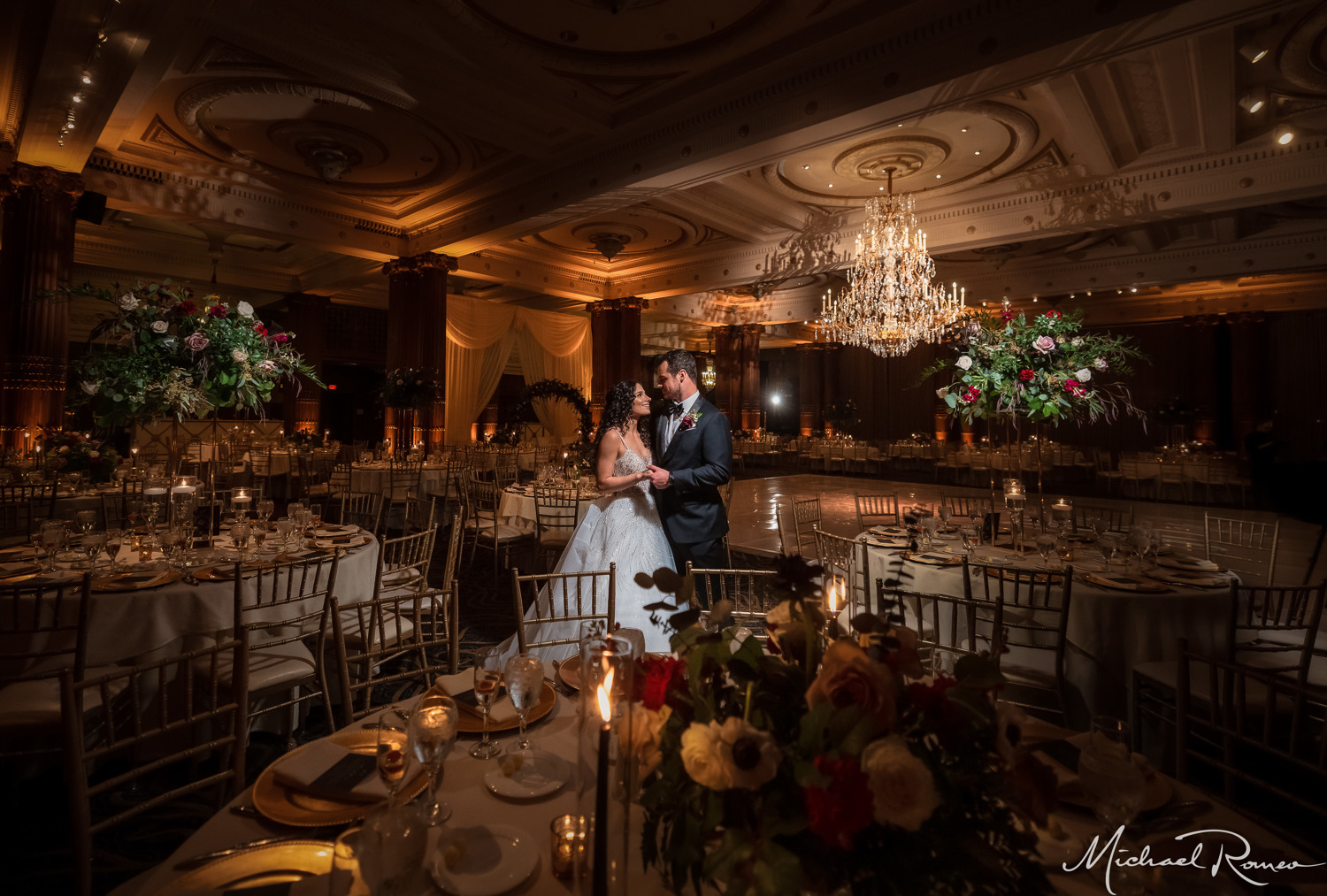
This is the part of the industry that is rarely seen, and even more rarely acknowledged.
Instead, what we’re seeing is a growing narrative that reduces all of that work, all of that care, and all of that responsibility down to a single, loaded word: predator.
Are there vendors who overpromise and underdeliver? Yes.
Are there businesses that are not operating at the level they should be? Of course.
But that is true of any industry.
We do not label an entire profession based on its worst examples.
And we certainly do not assign language that implies intentional harm and exploitation simply because we do not understand pricing structures, overhead, or the complexity of what is being executed.
Because that, more than anything, is what this often comes down to: misunderstanding.
Weddings are not simple events. They are highly customized productions that require coordination across multiple teams, timelines, and moving parts, all while managing emotion, expectation, and experience.
What may look like “just a few hours” of work is, in reality, the result of weeks, months, and sometimes years of planning, communication, design, and preparation.
To reduce that to predatory behavior is not only inaccurate, it is dismissive.
And it shifts the conversation away from where it should be: transparency, education, and alignment between clients and professionals.
If a vendor is not the right fit, that is okay.
If a price point does not align with a budget, that is also okay.
But words matter.
And when we begin using language that equates wedding professionals, people who have dedicated their careers to creating meaningful experiences, with those who cause real harm, we lose perspective.
We lose nuance.
And we lose the ability to have productive, informed conversations about the industry as a whole.
The wedding industry is not perfect.
No industry is.
But it is filled with people who care deeply about what they do, who take on an enormous amount of responsibility, and who, more often than not, go far beyond what is expected of them.
That deserves to be acknowledged.
And at the very least, it deserves to be described accurately.
Because not every high price is exploitation.
Not every professional is your enemy.
And not every industry needs to be villainized to be understood.